An Overview of AI Agents
Andrew White
Edison Scientific
Lilly Visit
July 2026
AI Progress
Model intelligence doubles every ~4 months
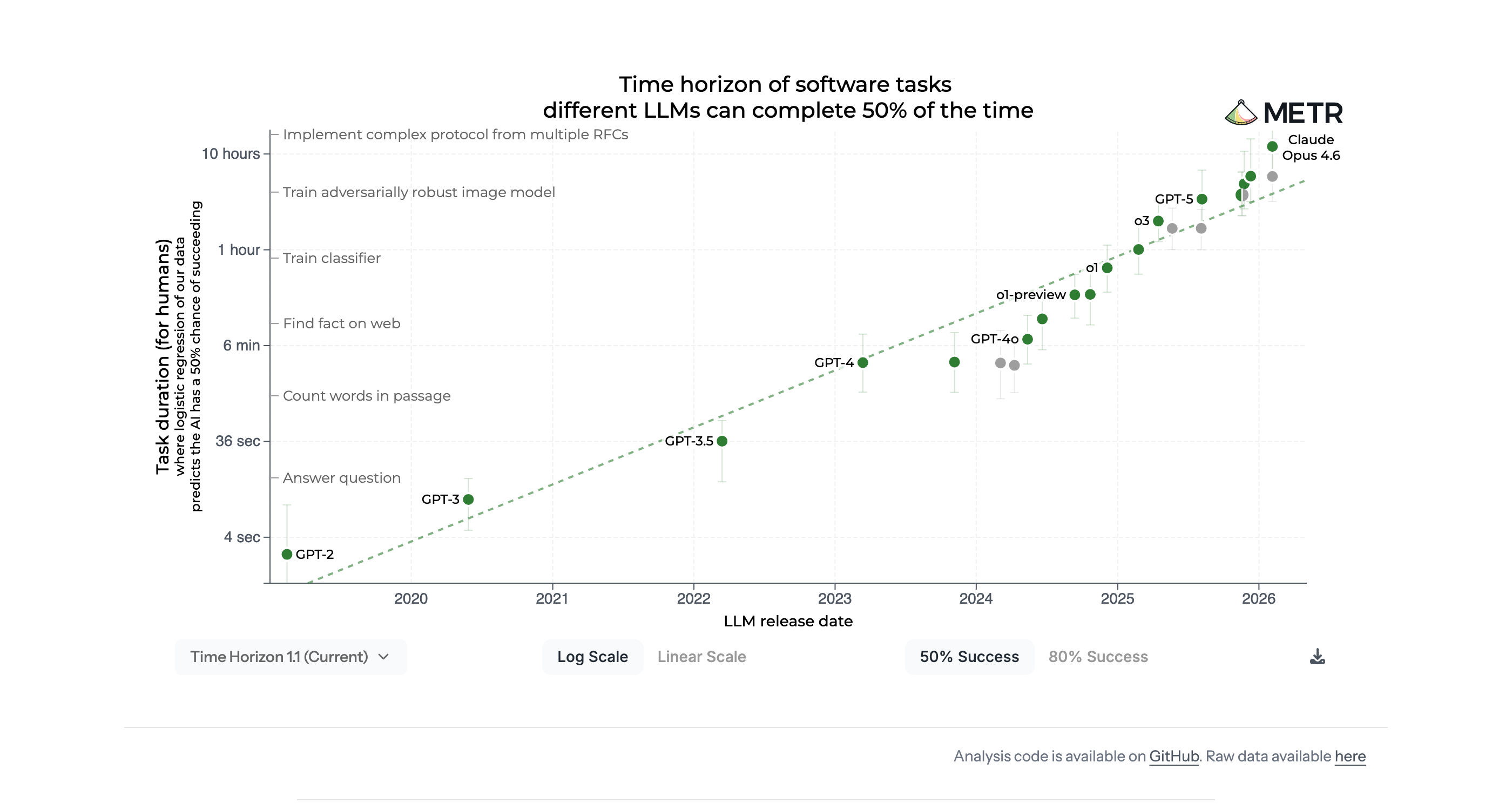
METR Task Completion Benchmark metr.org
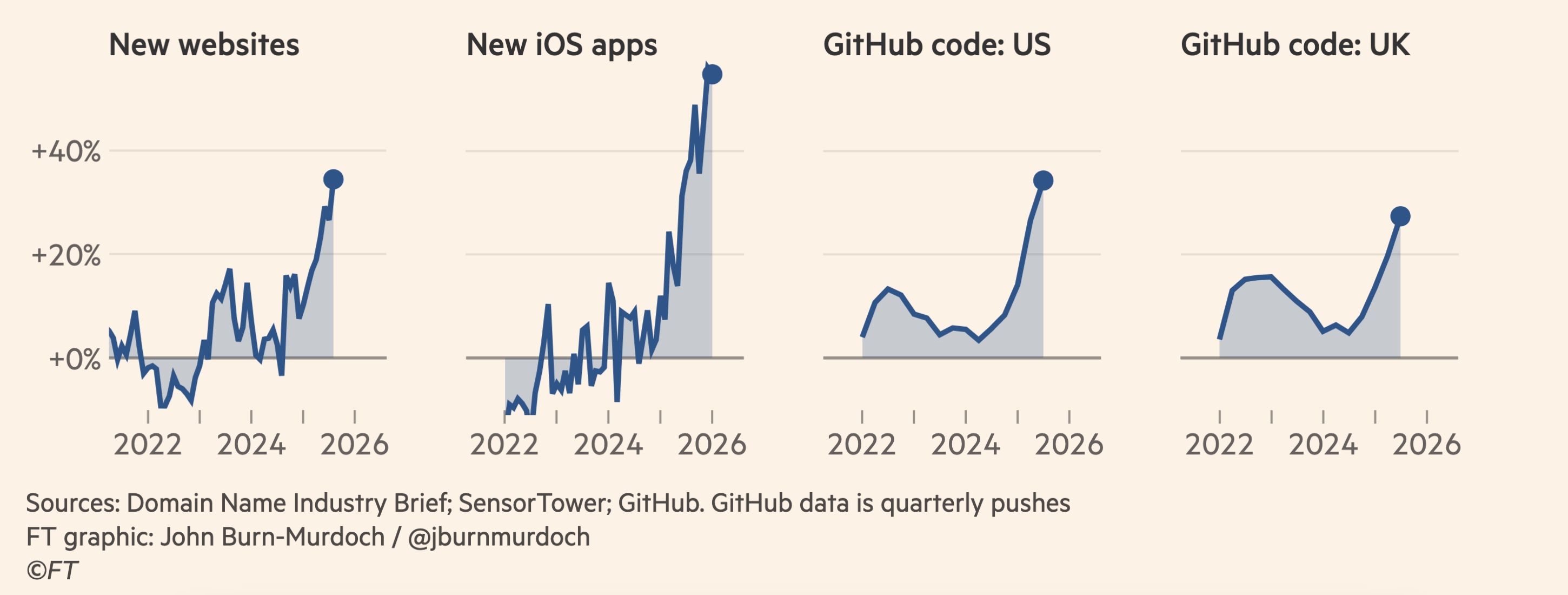
Effect is Visible in Economy
Consumer AI models have revolutionized math
Jacobian Conjecture
87-year famous conjecture disproven by Fable
Erdős Unit Distance
80-year famous conjecture disproven by OpenAI model.
Math Olympiad
OAI, Ant, and many start-ups got perfect scores 42/42 on IMO 2026.
1 Jacobian / NDTV 2 Unit Distance / OpenAI 3 IMO / China Daily
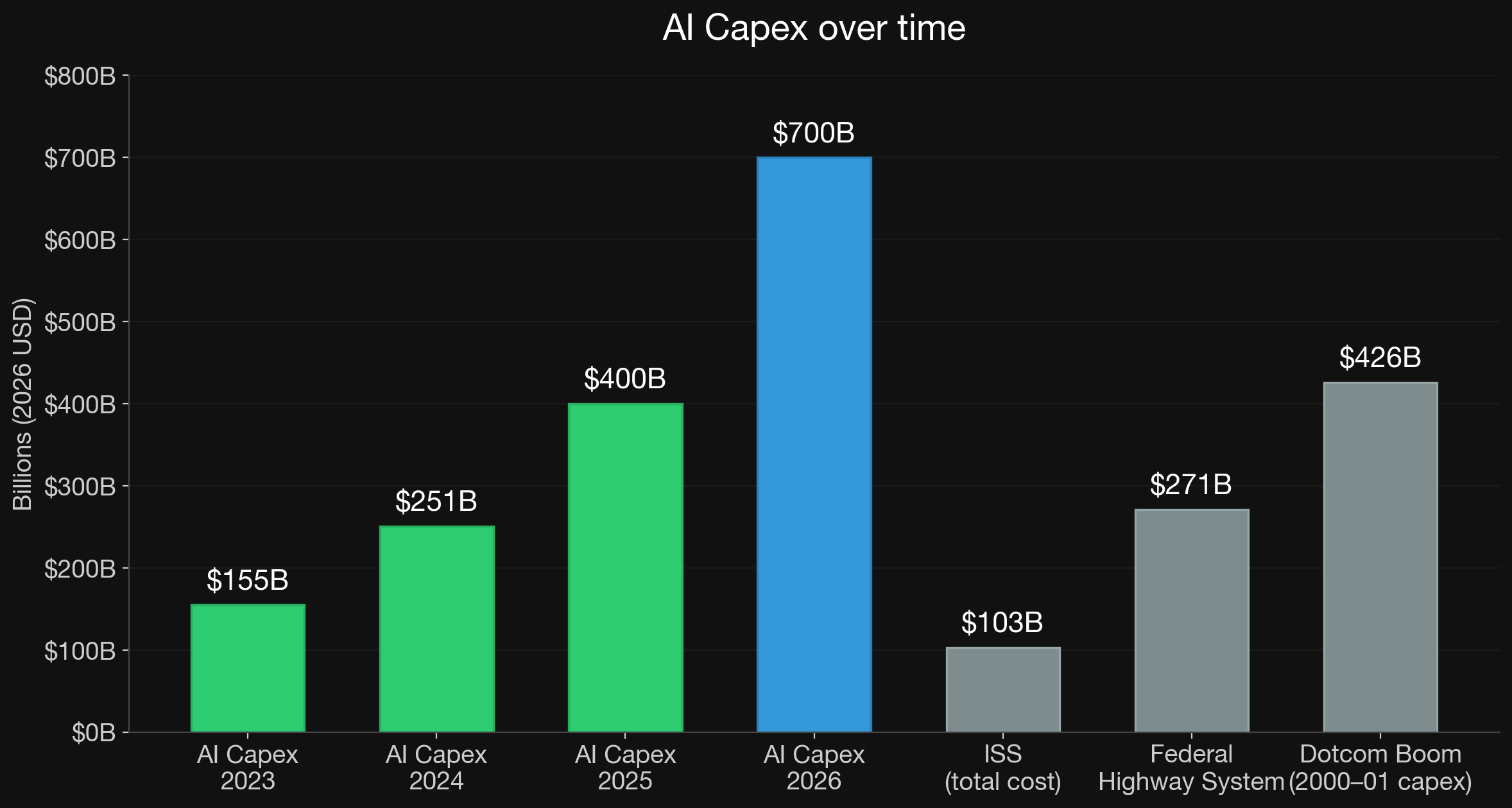
1 NASA OIG Report oig.nasa.gov 2 US FHWA fhwa.dot.gov 3 US Telecom Capex Report ustelecom.org 4 Morgan Stanley AI Market Trends 2026
What about in science?
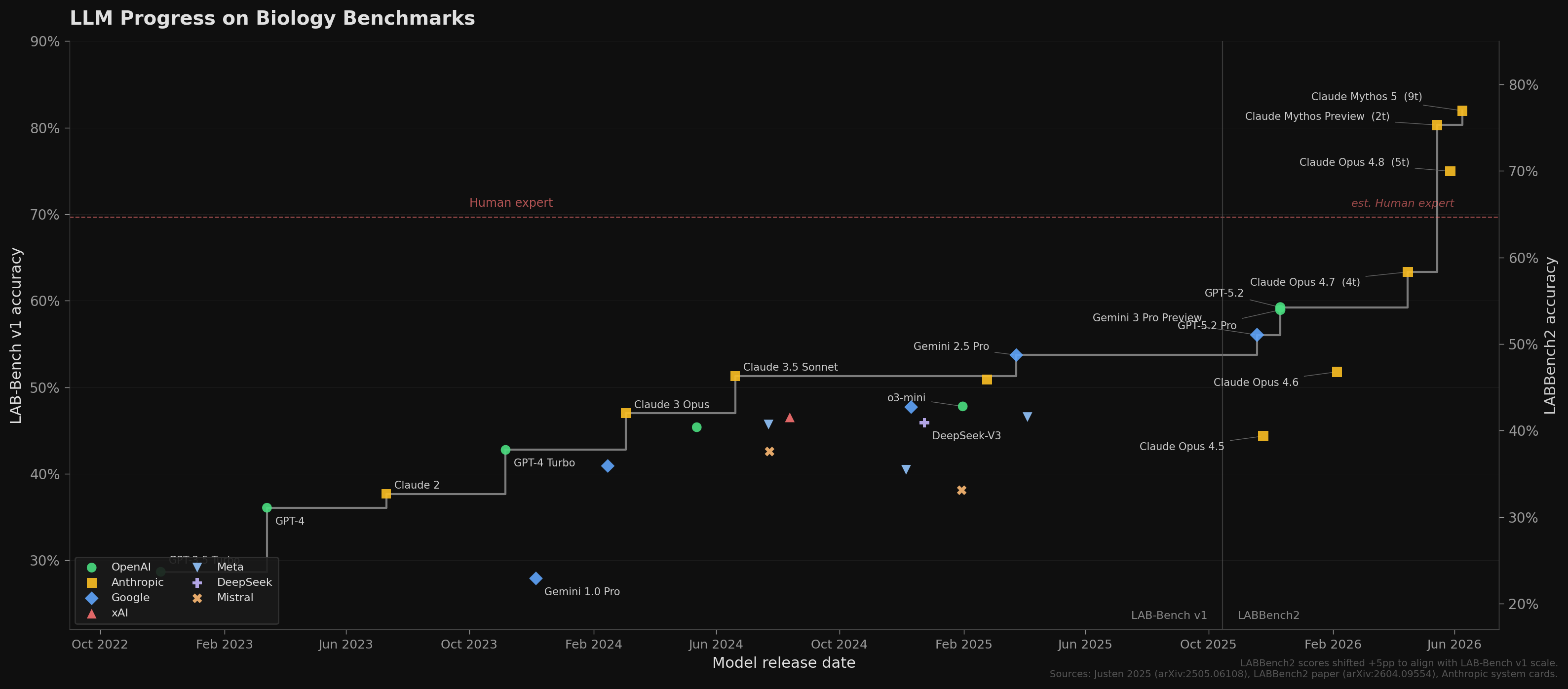
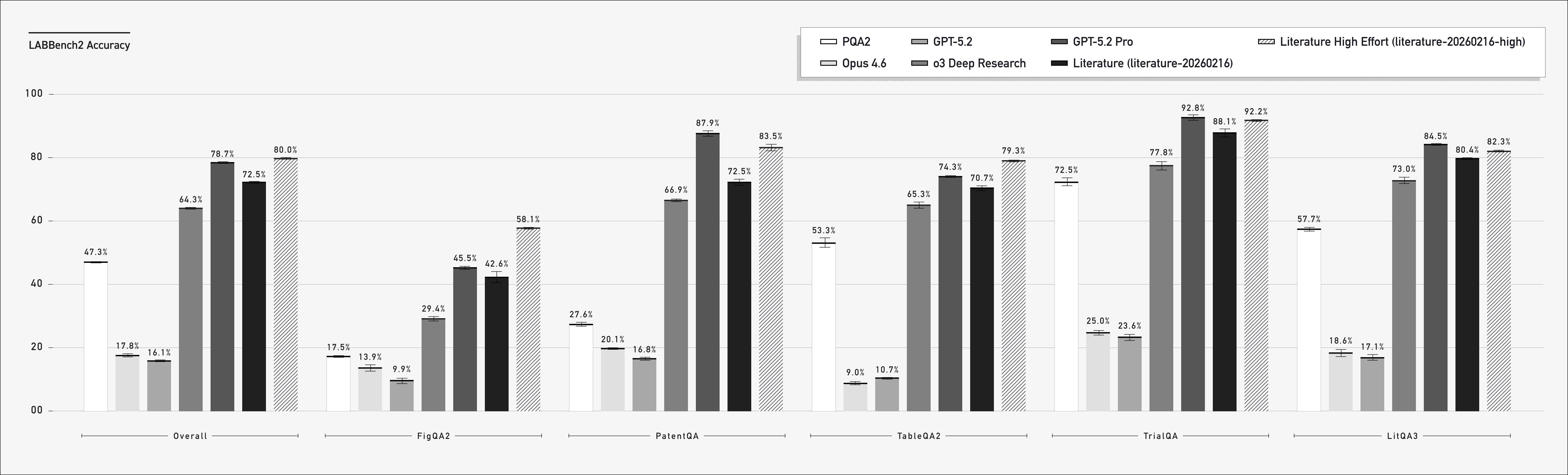
Labbench 2
1,912 questions across accessing data, reading patents, reading figures, protocol understanding, etc.
Example: Deletion of which residues from C. elegans protein COSA-1 would most likely affect the ability of COSA-1 to recruit MSH5 and ZHP3?
Residues 31–40
Labbench 2 Accuracy
FutureHouse
- FutureHouse founded in 2023
- Andrew White, Sam Rodriques, Eric Schmidt
- Based in San Francisco with Wetlab
- Raised $35M
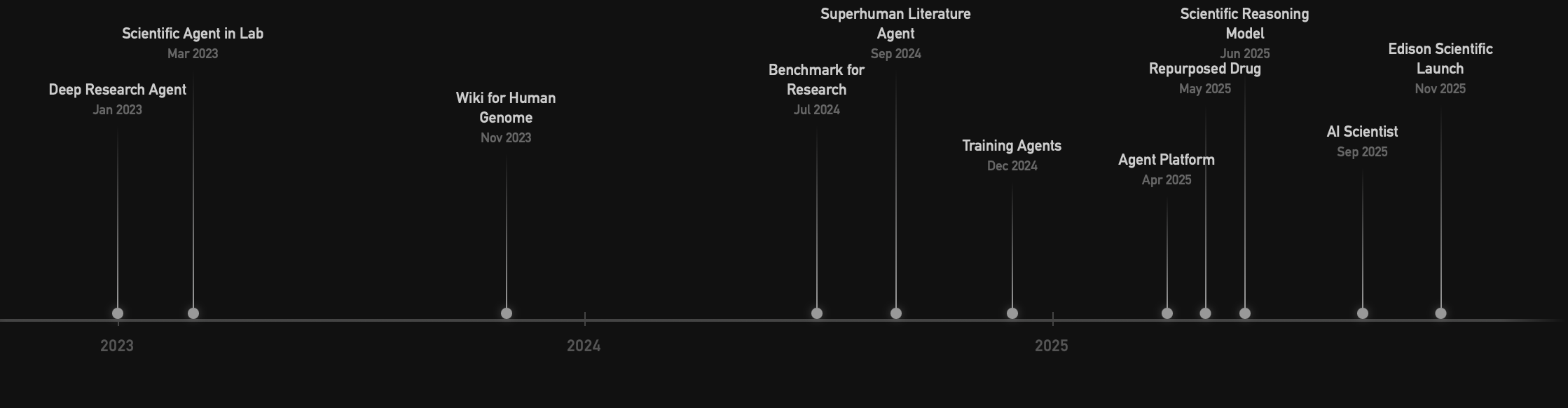
FutureHouse Timeline
Edison Scientific
- Spinout from FutureHouse formed in 2025
- AIxBio Research Lab that partners with biotech and pharma
- 50 employees
- $70M in seed financing
Introduction to AI Agents
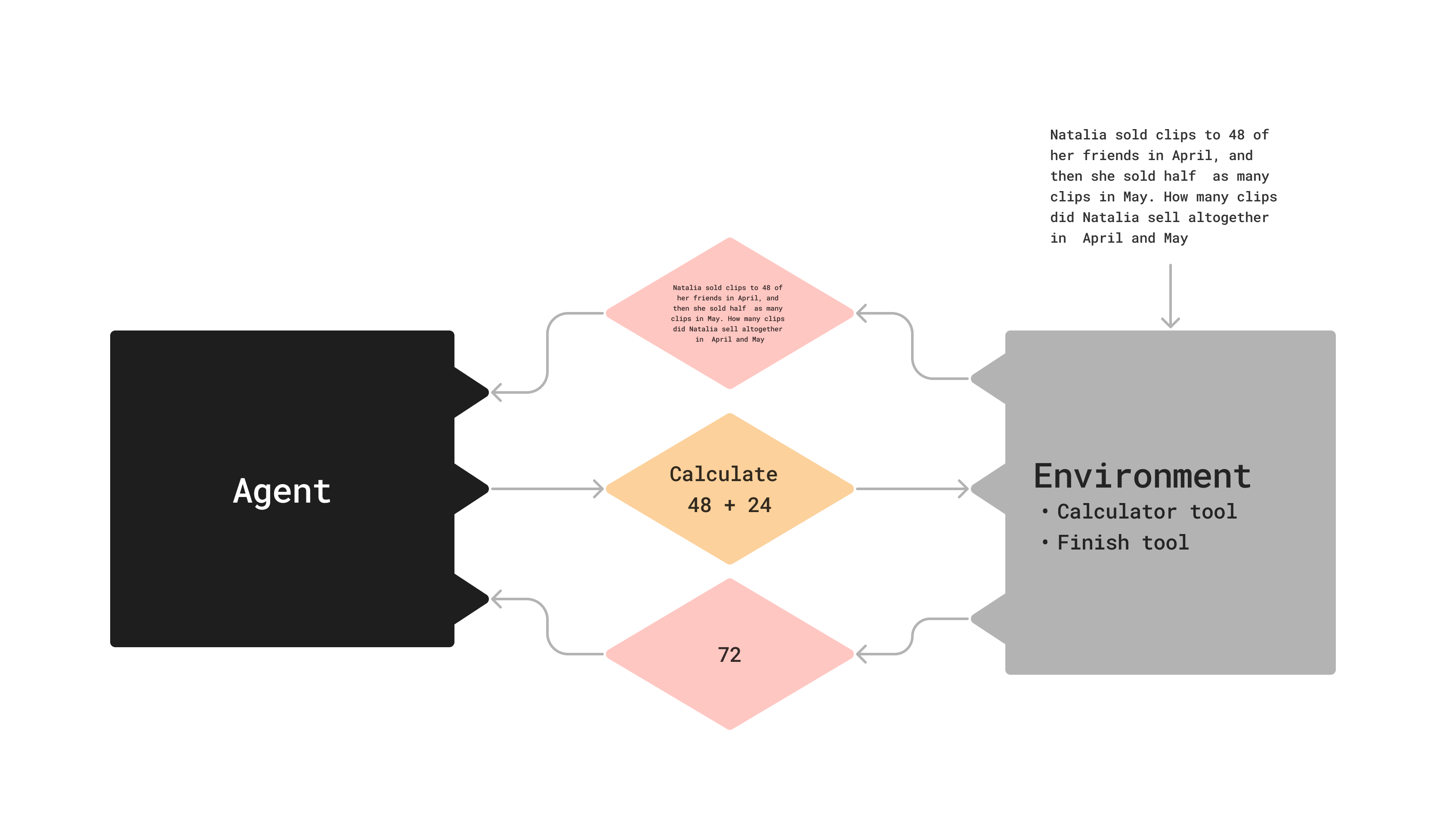
Agent: trained, makes decisions
Environment: untrained, has tools, state
How are agents trained?
- Pre-training — broad knowledge via next-token prediction
- Supervised Fine-Tuning (SFT) — learn from expert instruction–response pairs
- Reinforcement Learning (RL) — optimize through environment interaction with verifiable rewards
RL expands capabilities beyond what supervised data can teach
Verifiable Rewards
Computational checks (code execution, tool outputs) produce objective reward signals — no human feedback needed
LabBench2: verifiable tasks as RL training signal
Laurent et al., LabBench2, 2026; Narayanan et al., Aviary, 2024; 2025 NVIDIA Technical Blog
Behavior Changes
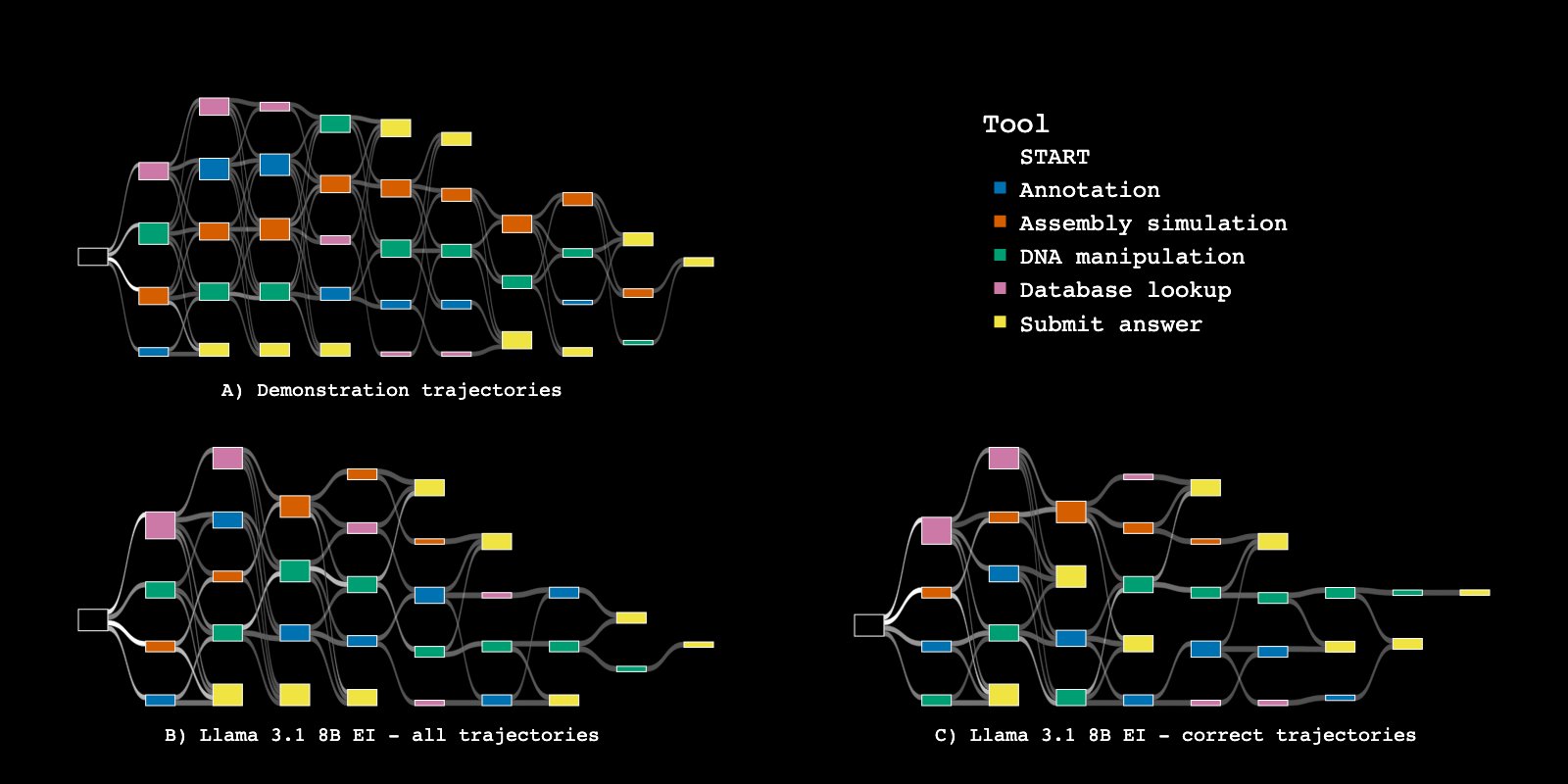
Training Curve
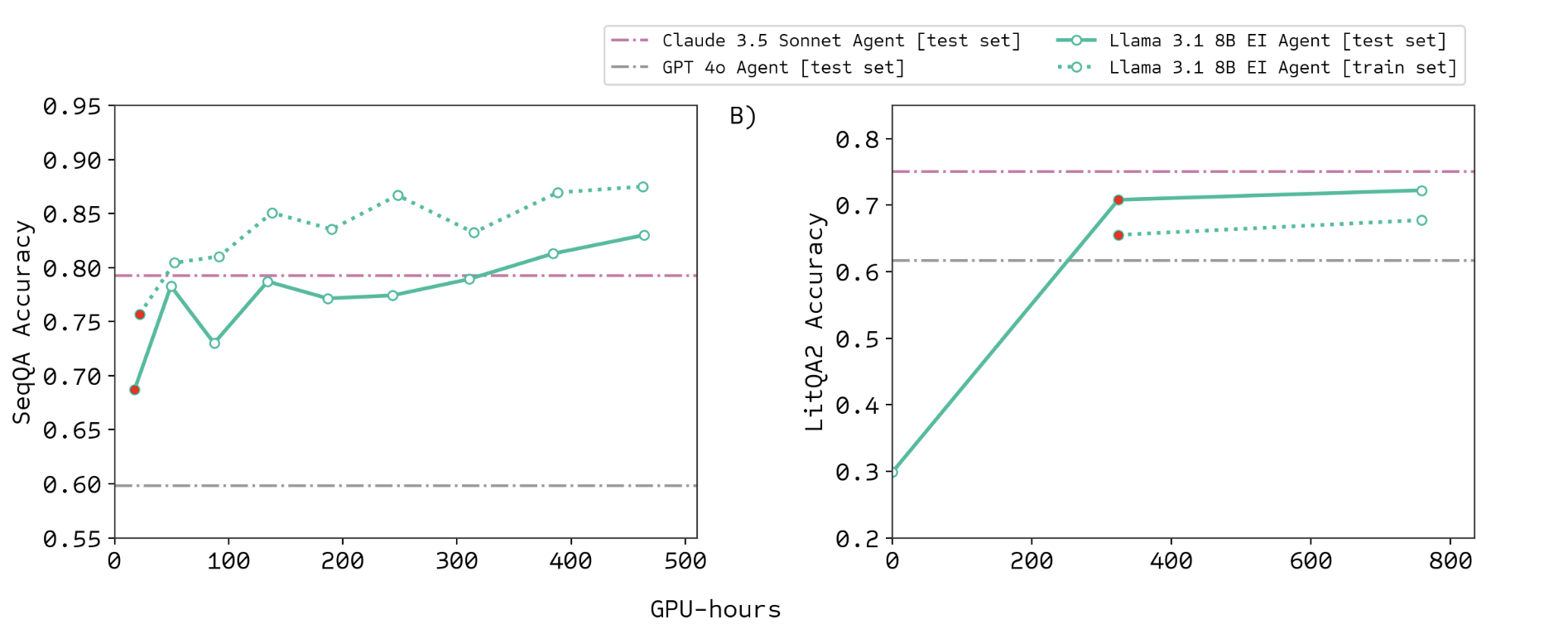
Narayanan et al., Aviary: training language agents on challenging scientific tasks, 2024
FutureHouse Agents
| Name | Environment | Key Tools |
|---|---|---|
| PaperQA | Literature Research | Search, Citation Traversal |
| ProteinCrow | Designing novel proteins | AlphaFold2, Molecular Dynamics |
| ChemCrow/Phoenix | Designing new molecules | Retrosynthesis, self-driving robotic lab |
| Data analysis crow | Generating discoveries from data | bioinformatics tools, code, file system |
Automating research of scientific literature
Language agents achieve superhuman synthesis of scientific knowledge
Michael D. Skarlinski, Sam Cox, Jon M. Laurent, James D. Braza, Michaela Hinks, Michael J. Hammerling, Manvitha Ponnapati, Samuel G. Rodriques, Andrew D. White arXiv:2409.13740, 2024
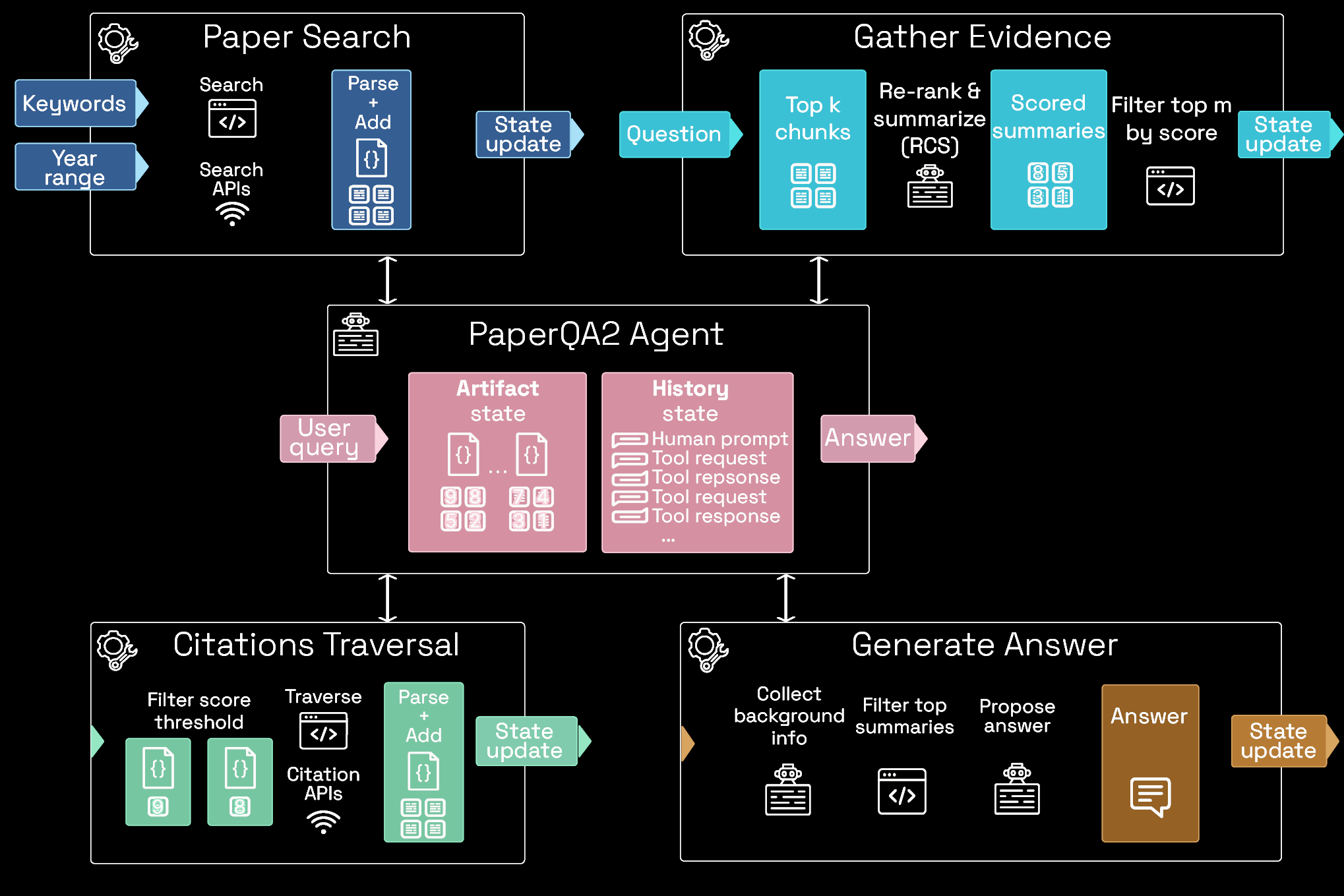
Measurement: LAB-Bench (2024)
Approximately what percentage of Drosophila with a H3.3K36R mutation finish developing and enclose?
- 80%
- 19%
- 50%
- 37%
- 6%
- 94%
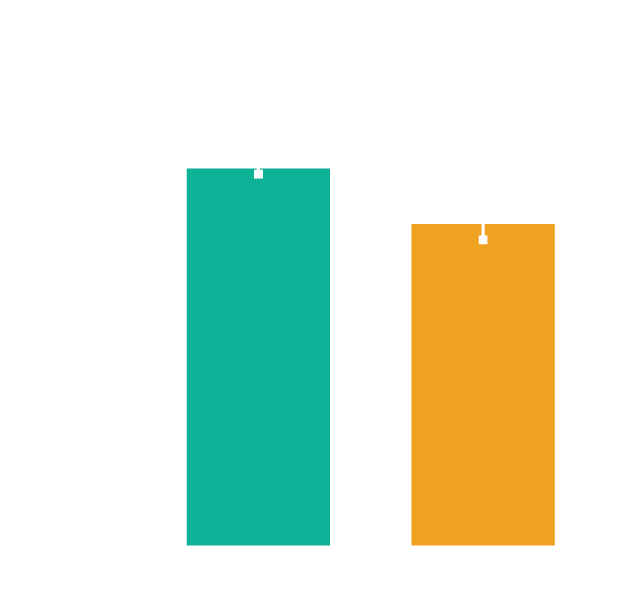
Better at answering questions than PhD biology experts
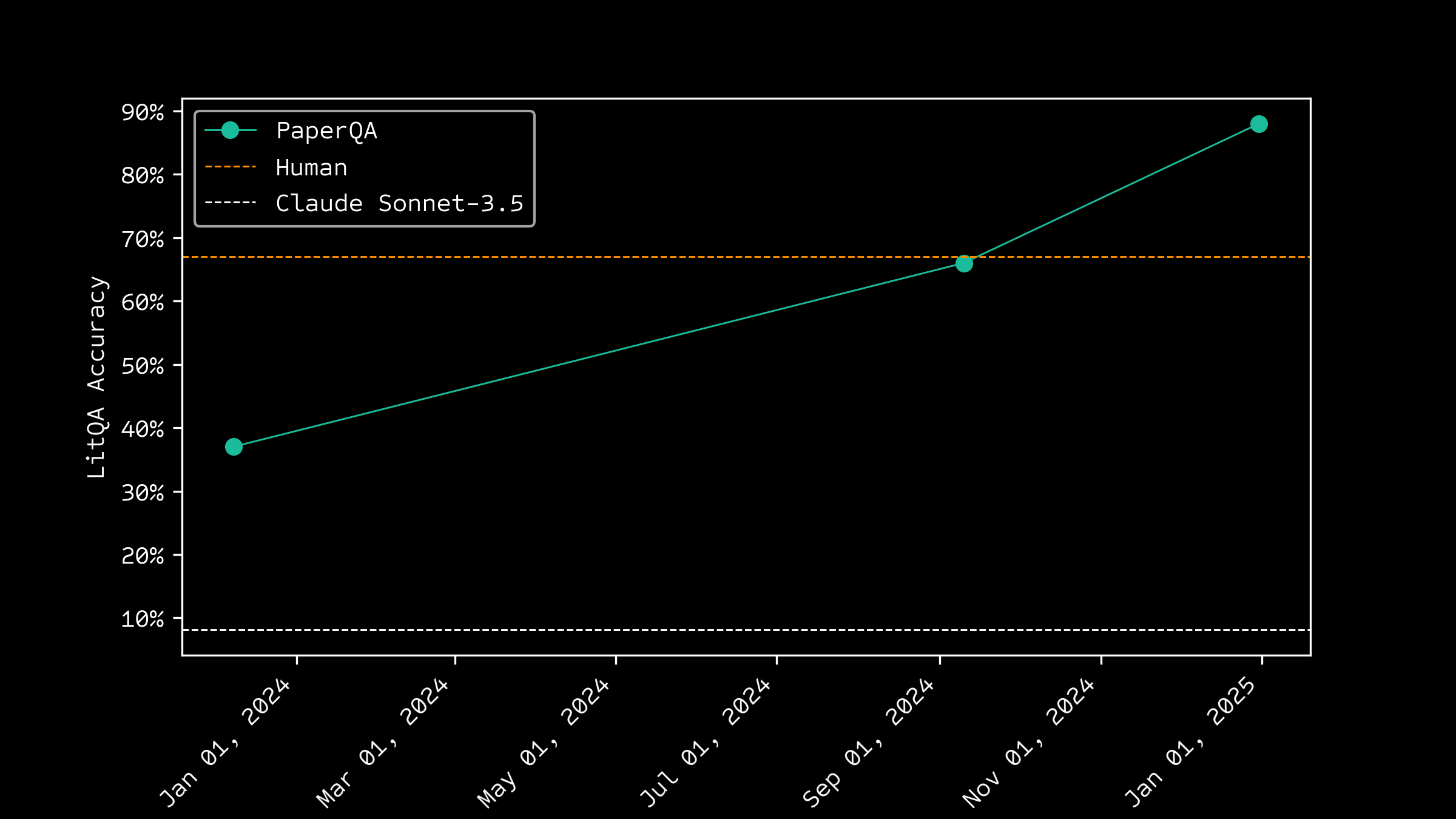
Improving over time
Better than human written Wikipedia articles
Edison Literature (PaperQA3)
Added patents, clinical trials, opentargets, chinese-language preprints. Designed for scientists
- Provenance of claims
- All actions auditable
- Reproducible
PaperQA3 (2026)
Complete cycle of disease to target to drug
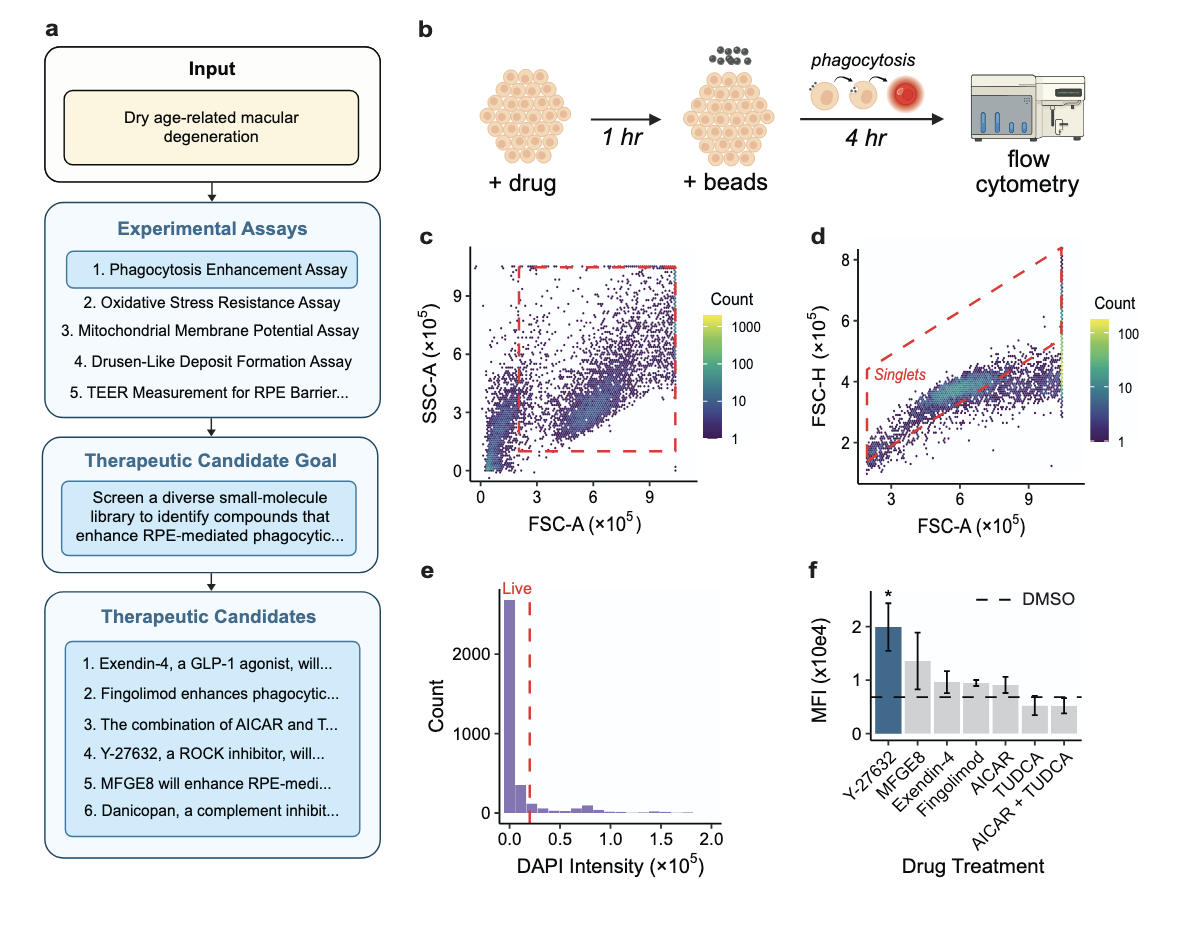
ROBIN: A Multi-Agent System for Automating Scientific Discovery Nature, 19 May 2026
Ali Essam Ghareeb*, Benjamin Chang*, Ludovico Mitchener, Angela Yiu, Caralyn J. Szostkiewicz, Jon M. Laurent, Muhammed T. Razzak, Andrew D. White†, Michaela M. Hinks‡, Samuel G. Rodriques
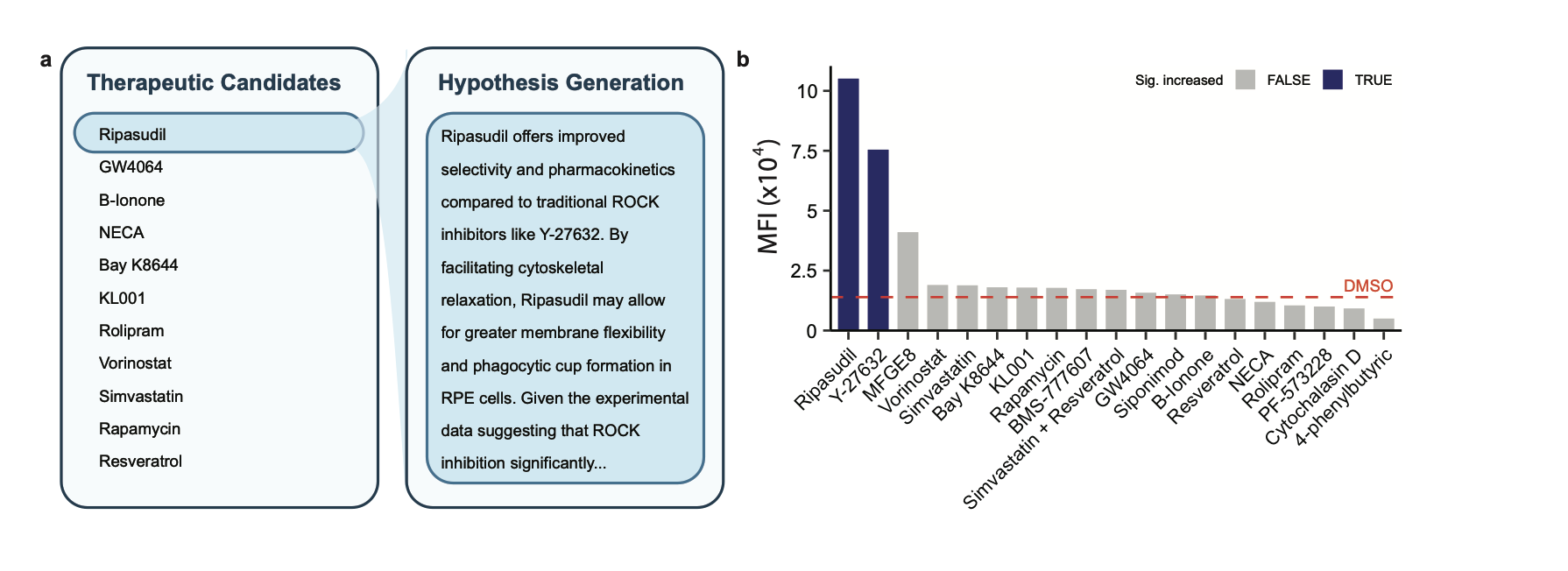
Robin proposes follow-up experiments
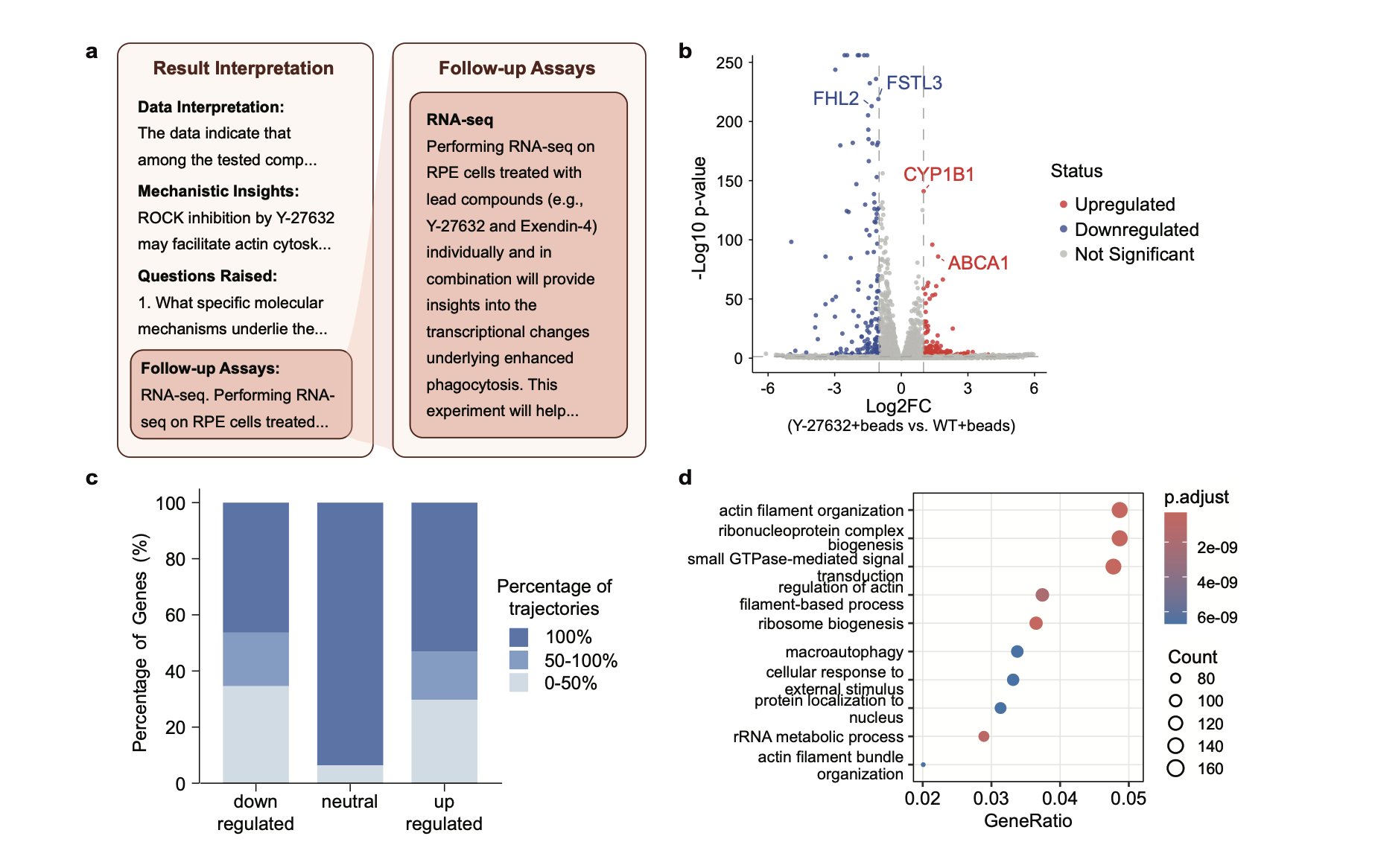
Robin optimizes the therapeutic candidates
Kosmos: An AI Scientist for Autonomous Discovery
Ludovico Mitchener, Angela Yiu, Benjamin Chang, Mathieu Bourdenx, Tyler Nadolski, Arvis Sulovari,
Eric C Landsness, Daniel L Barabasi, Siddharth Narayanan, Nicky Evans, Shriya Reddy, Martha Foiani, Aizad Kamal,
Leah P Shriver, Fang Cao, Asmamaw T Wassie, Jon M Laurent, Edwin Melville-Green, Mayk Caldas, Albert Bou,
Kaleigh F Roberts, Sladjana Zagorac, Timothy C Orr, Miranda E Orr, Kevin J Zwezdaryk, Ali E Ghareeb, Laurie
McCoy, Bruna Gomes, Euan A Ashley, Karen E Duff, Tonio Buonassisi, Tom Rainforth, Randall J Bateman, Michael
Skarlinski, Samuel G Rodriques, Michaela M Hinks, Andrew D White
arXiv:2511.02824, 2025
Science is changing independent of AI
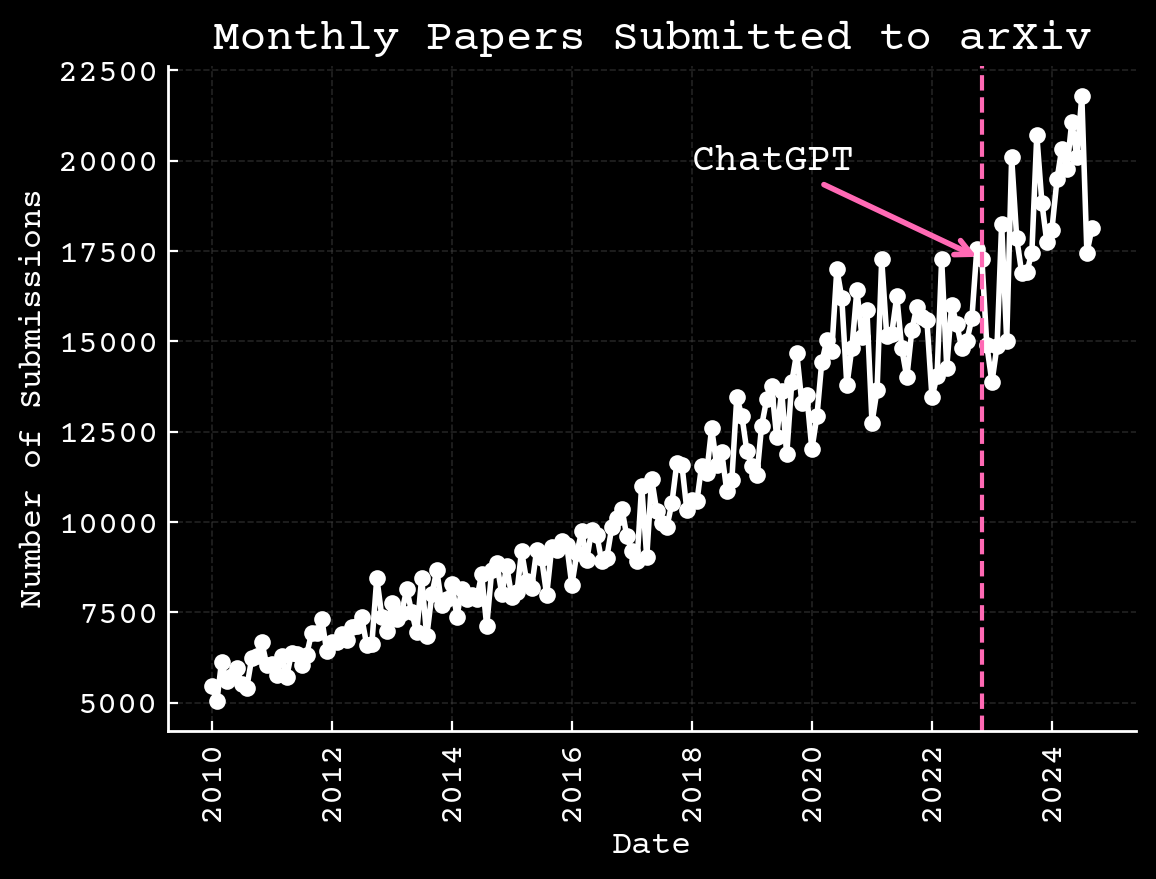
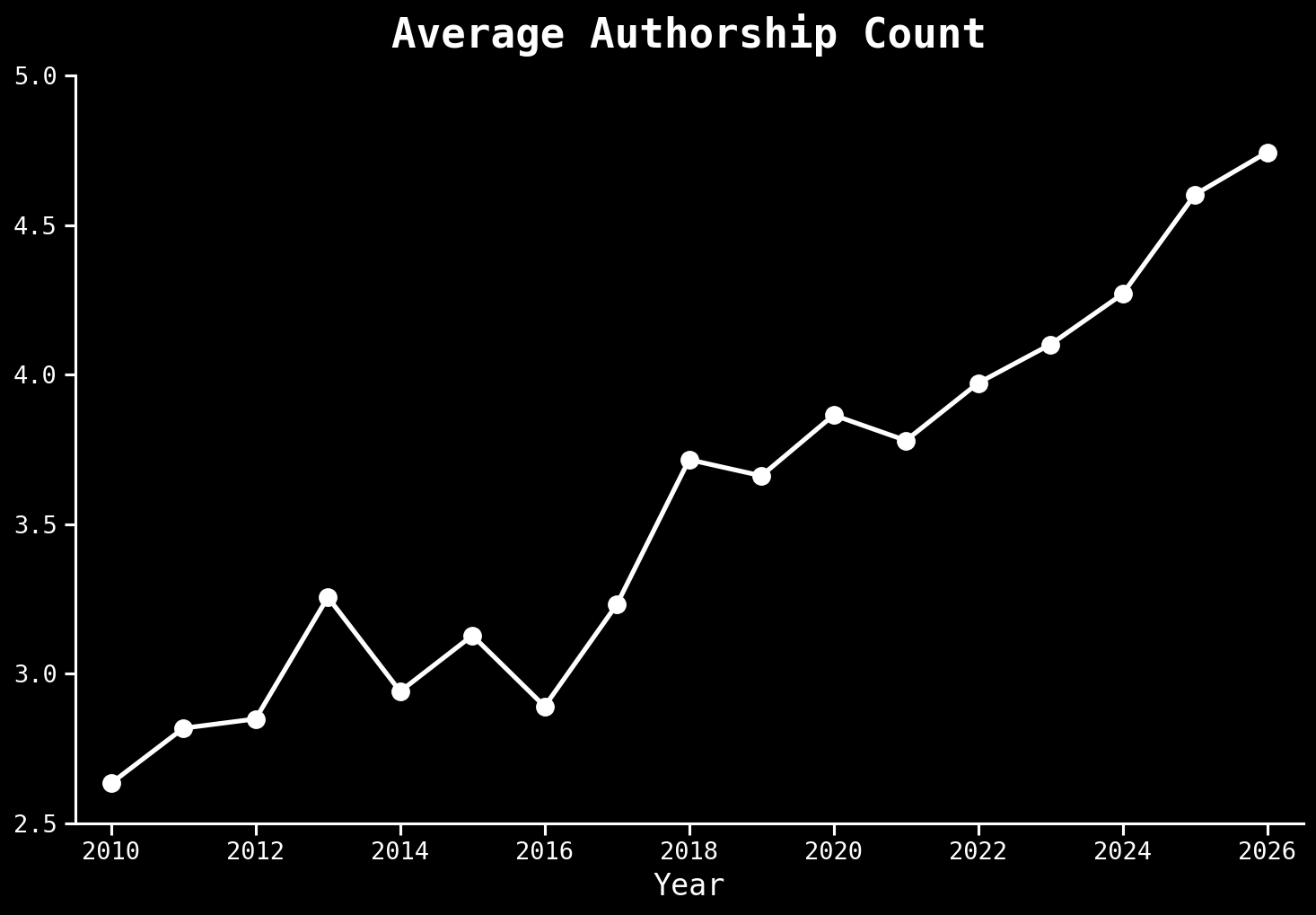
Arxiv.org,10.6084/m9.figshare.17064419.v3
Number of Researchers are Growing
International R&D spending
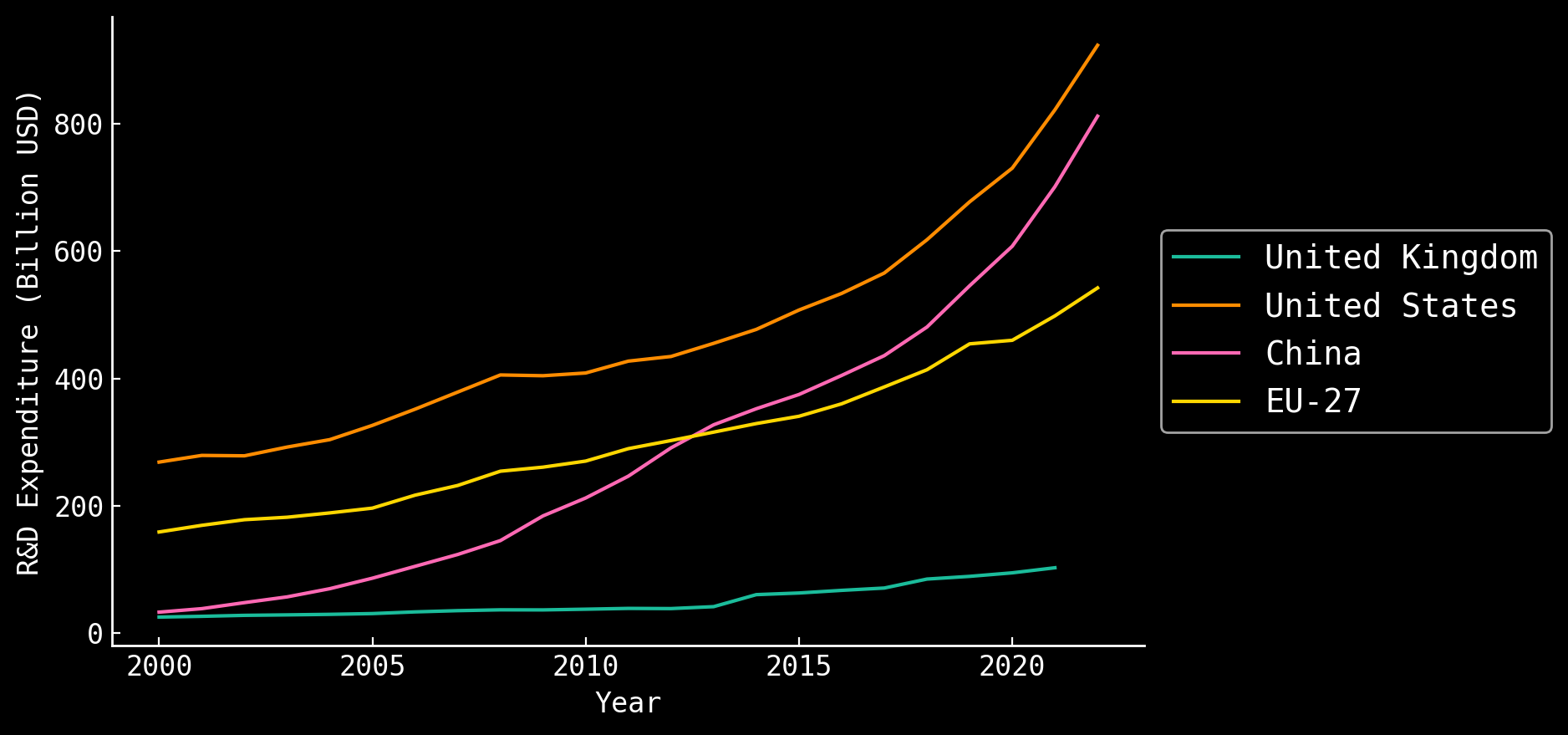
PhD Researchers
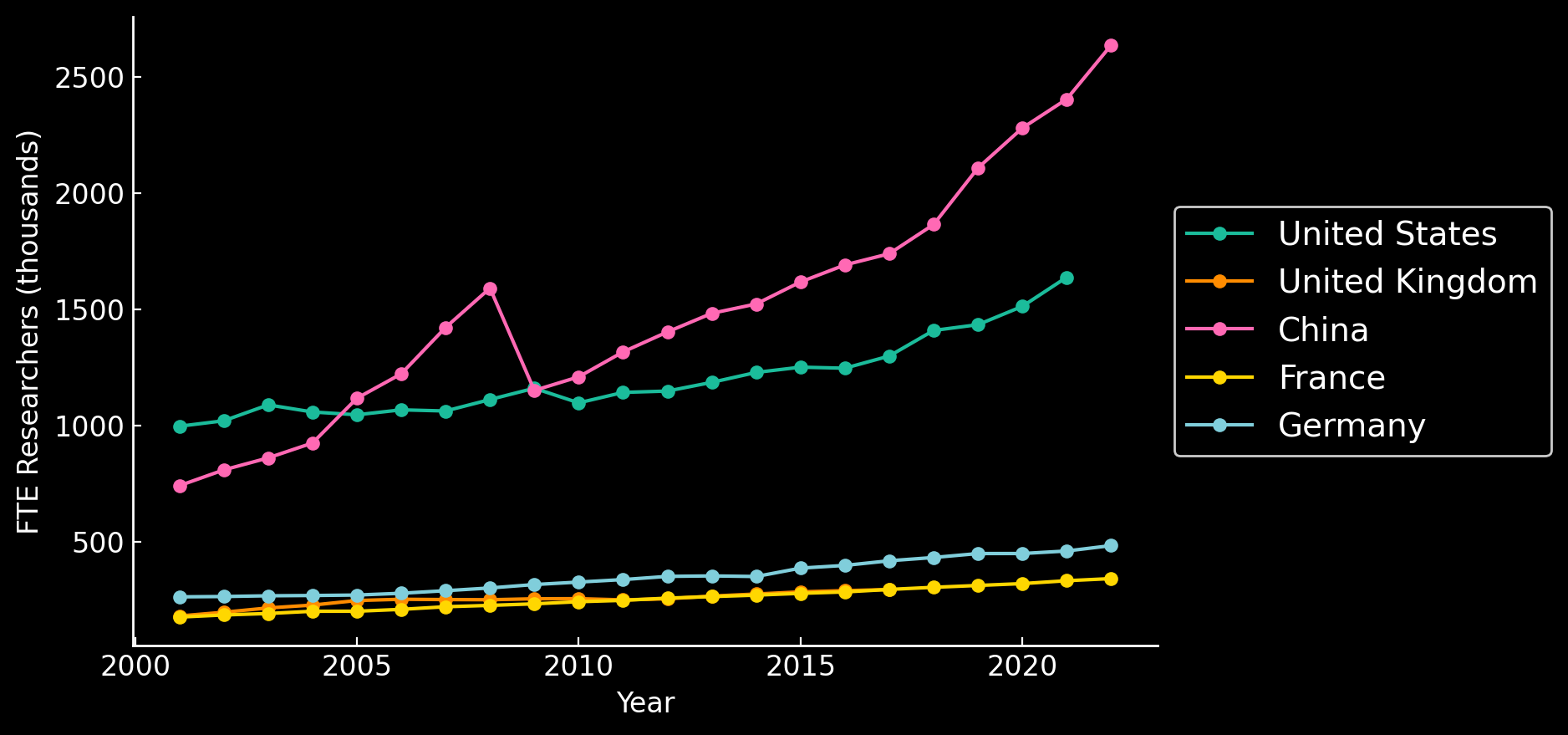
NSF - https://ncses.nsf.gov/pubs/nsf24332; UNESCO UISI SDG9
Intellectual bottlenecks are growing
📝 Increasing paper count ($\approx$15M per year)
🧬 Larger data sets from cheaper
experiments (genome at
$200 per person, $1 / GB of sequencing)
🔍95% decline in disruptive papers since 1980
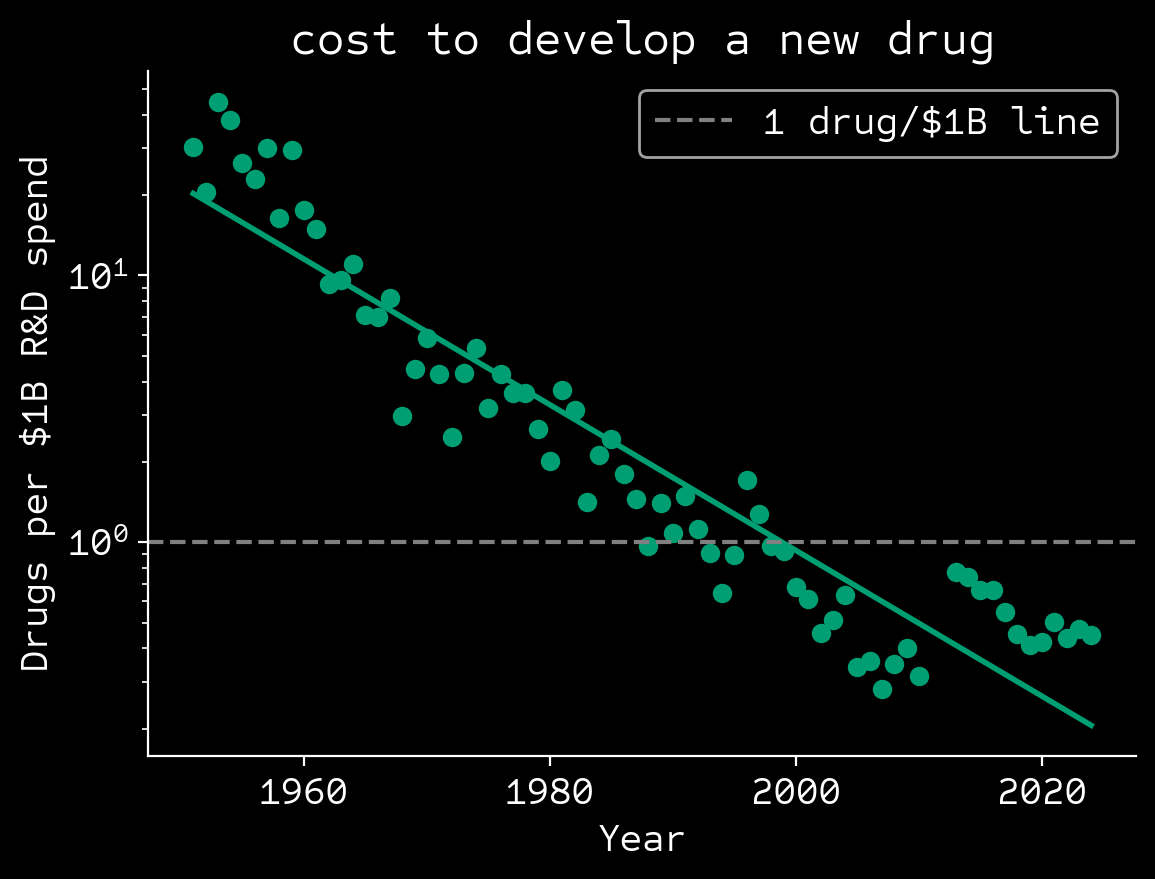
Park, M. et al. Nature 613, 138-144 (2023); Scannell, J.W. et al. Nat. Rev. Drug Discov. 11, 191–200 (2012); Deloitte 2025: Pharma innovation returns.
FutureHouse Mission
Accelerate Scientific Discovery
Scientific Reasoning Models
Training a Scientific Reasoning Model for Chemistry
Siddharth M. Narayanan, James D. Braza, Ryan-Rhys Griffiths, Albert Bou, Geemi Wellawatte, Mayk Caldas Ramos, Ludovico Mitchener, Samuel G. Rodriques, Andrew D. White NeurIPS, 2025
Improving Models
| Pretraining | Large Data, Large Compute |
| Scaffolding | Domain knowledge |
| RL with verifiable rewards | Domain knowledge, small data, small compute |
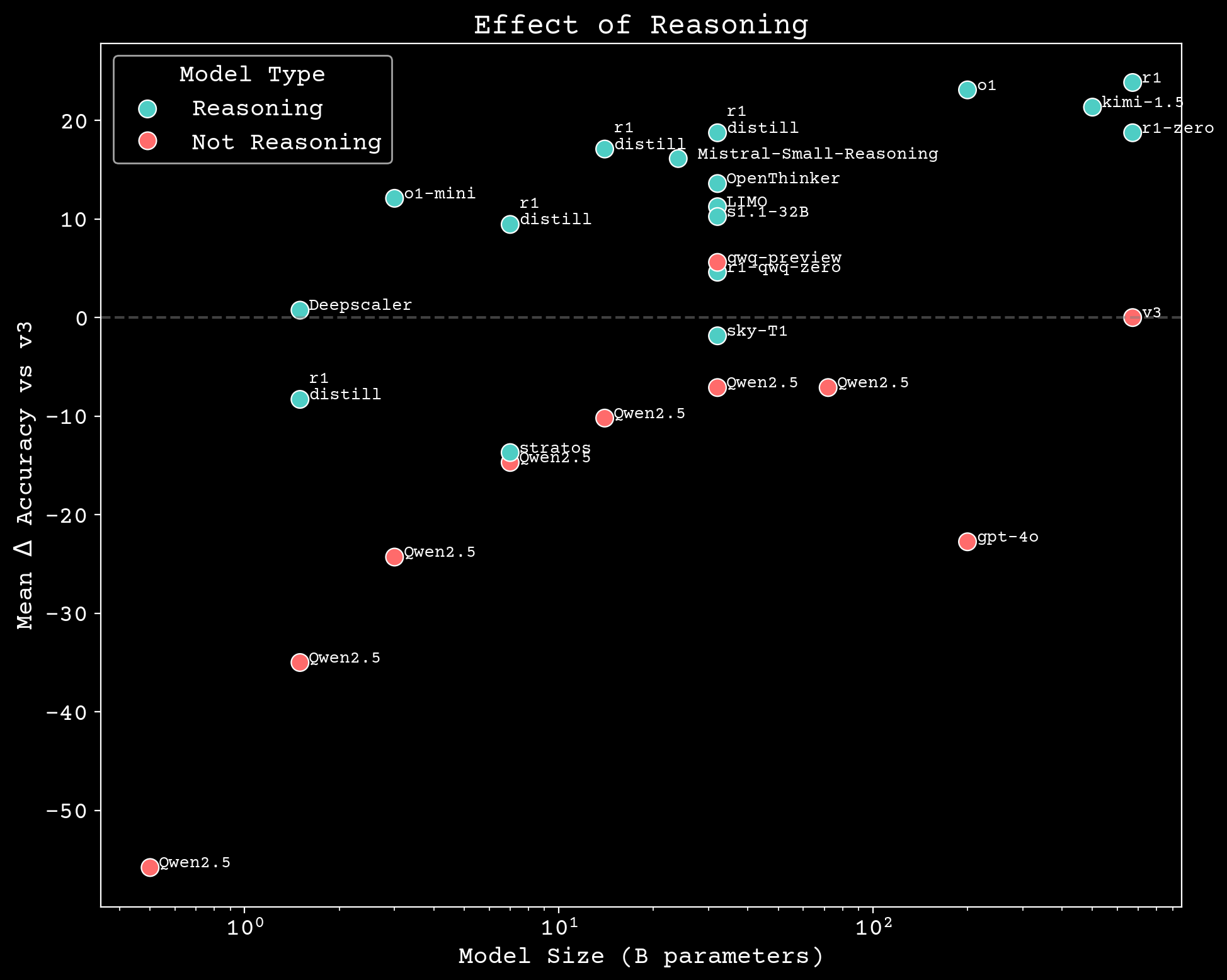
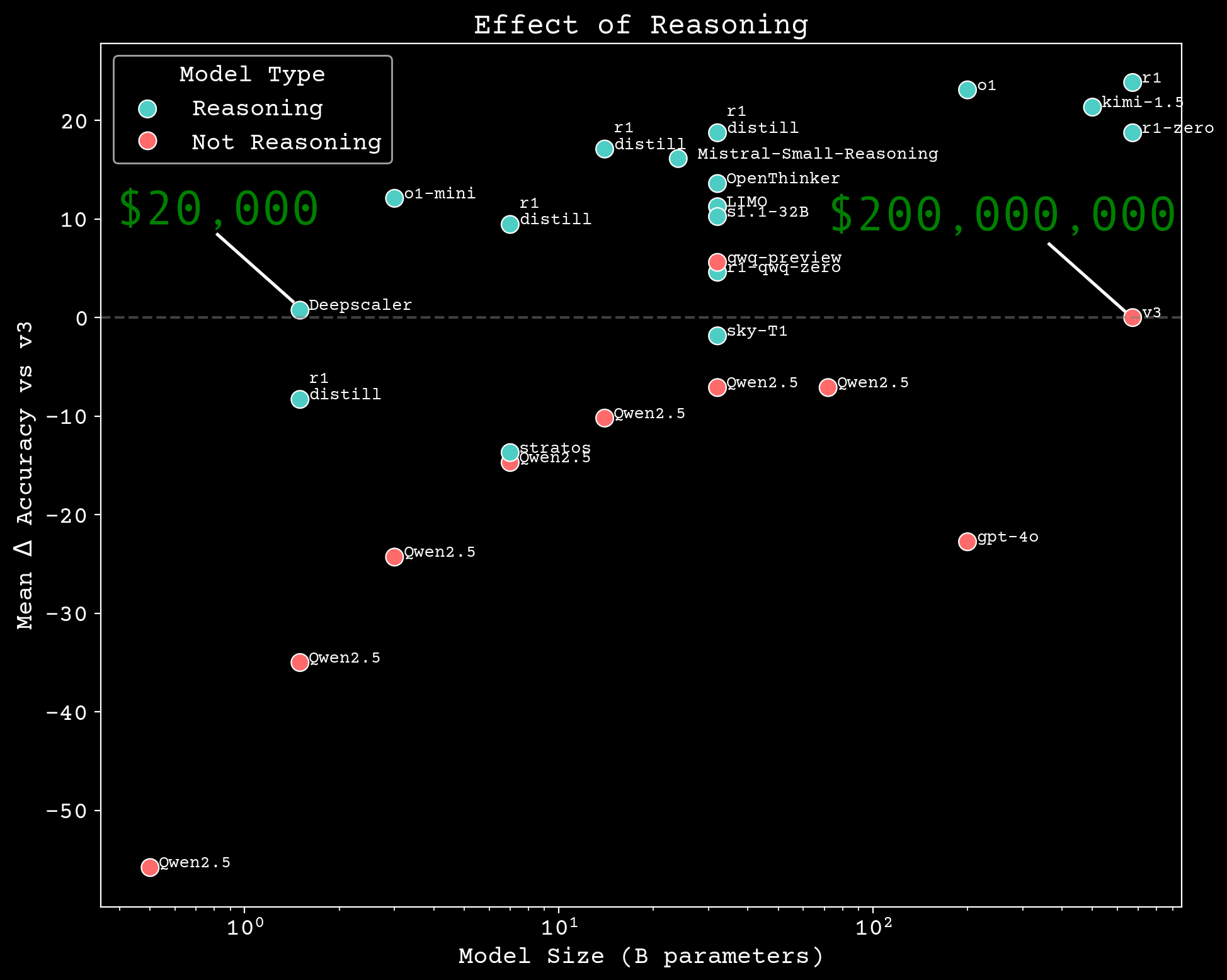
Can we build scientific reasoning models?
chemistry reasoning model
Works with molecular structures, but reasons in English
Start from base LLM and teach it chemistry
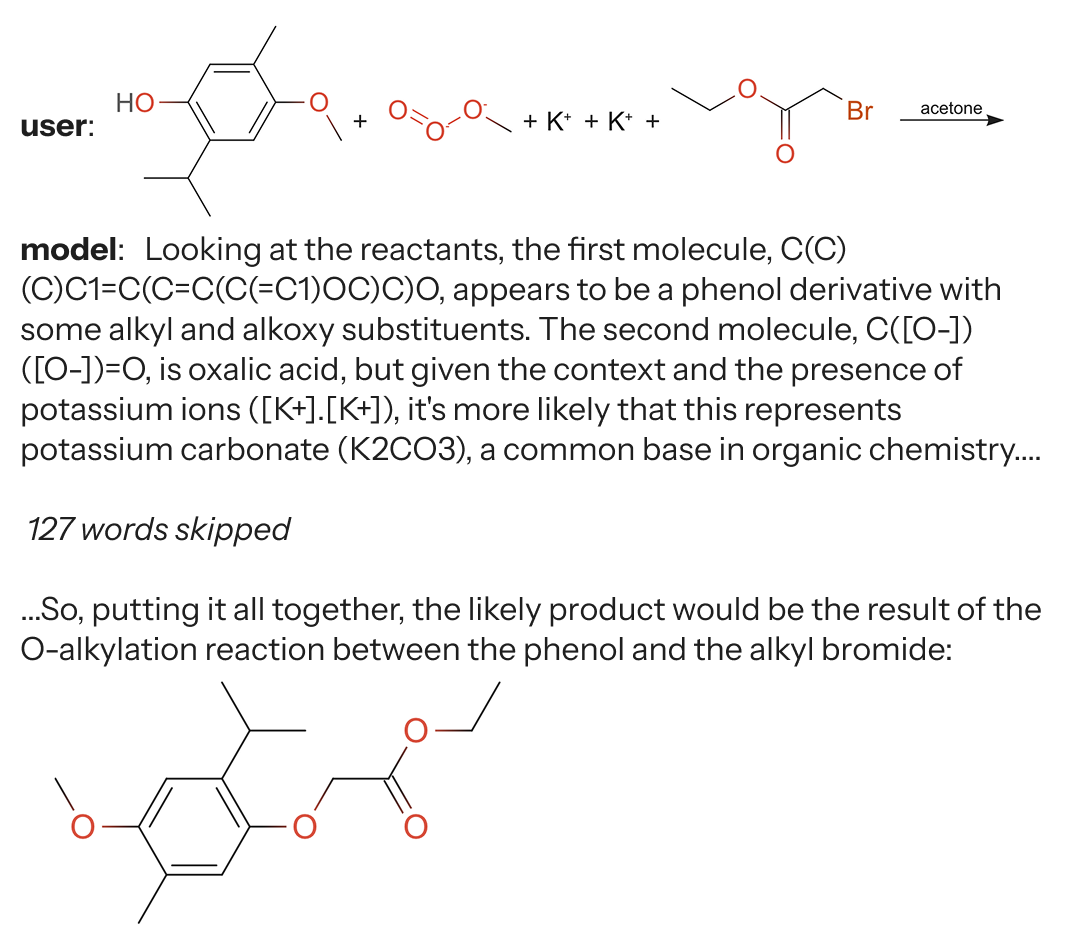
What can a reasoning model do?
Q:Propose a 1-step synthesis path that uses only commercially available reagents
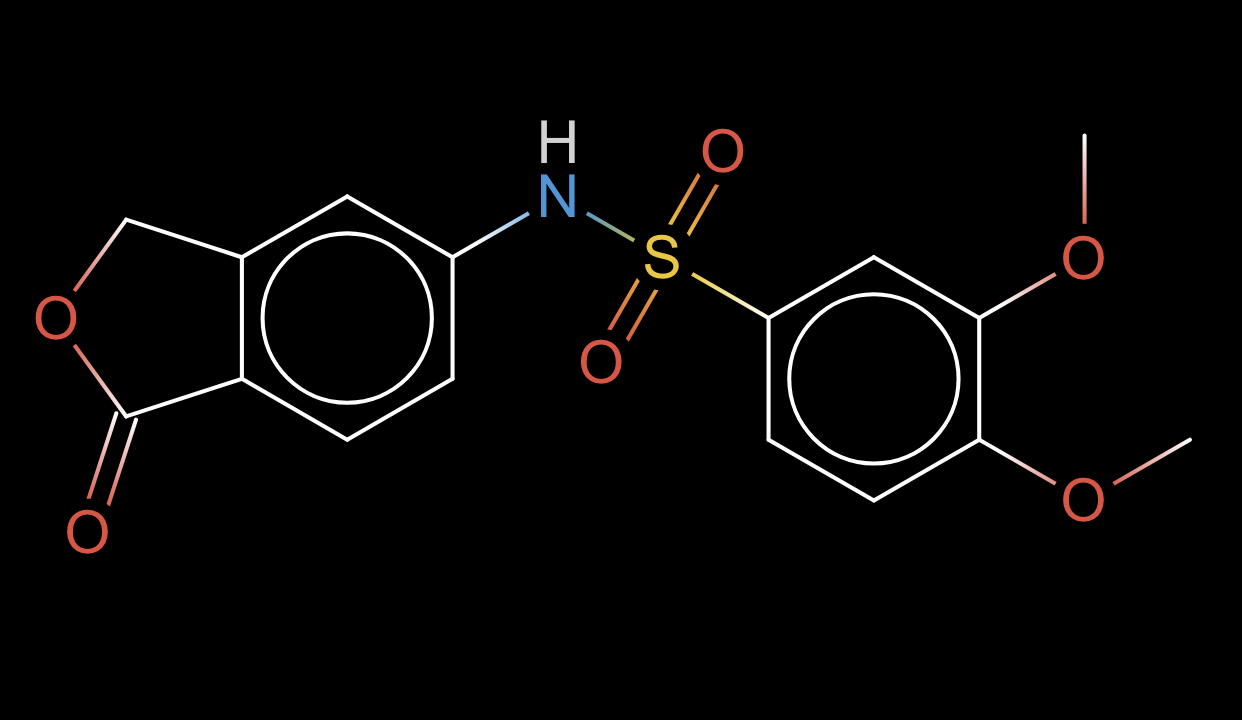
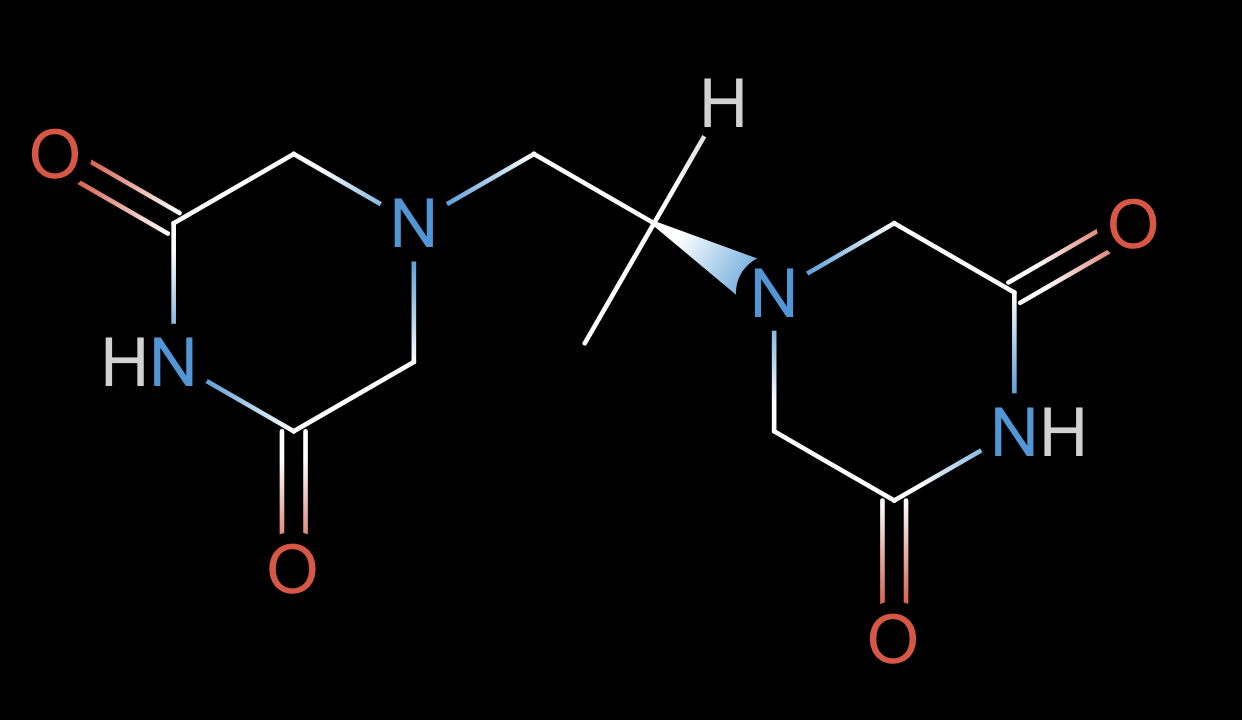
Q: Propose a modification to this molecule to increase its solubility by about 1 LogS unit without affecting its scaffold.
data
| Task | Subtasks | Examples | Verifier | Templates | Data source name |
|---|---|---|---|---|---|
| functional group | 1 | 74562 | code | 6 | ChEMBL |
| organism molecular formula | 1 | 74164 | molecule comparison | 10 | COCONUT |
| IUPAC name | 1 | 74994 | code | 10 | COCONUT |
| SMILES completion | 1 | 74990 | code | 10 | COCONUT |
| solubility edit | 3 | 115977 | ML model, code | 15 | ChEMBL |
| scent | 180 | 4240 | multiple choice | 8 | pyFUME |
| reaction prediction | 1 | 61205 | molecule comparison | 10 | ORD |
| retrosynthesis | 1 | 67252 | ML model, database | 8 | mcule |
| BBB permeability | 2 | 2064 | multiple choice | 8 | BBB |
| pKa | 4 | 336 | multiple choice | 8 | IUPAC |
| safety | 11 | 5687 | multiple choice | 8 | Pubchem |
| molecular formula | 1 | 18738 | code | 10 | COCONUT |
| ADME | 12 | 1030 | multiple choice | 8 | Fang ADME |
| LD50 | 2 | 342 | multiple choice | 8 | Pubchem |
| Human receptor binding | 150 | 1663 | multiple choice | 8 | EveBio |
| property-regression-solubility | 2 | 464 | multiple choice | 8 | AqSolDB |
| property-regression-photo | 1 | 23 | multiple choice | 8 | Photoswitches |
| Total | 374 | 577790 | 8 | 81* | 12 |
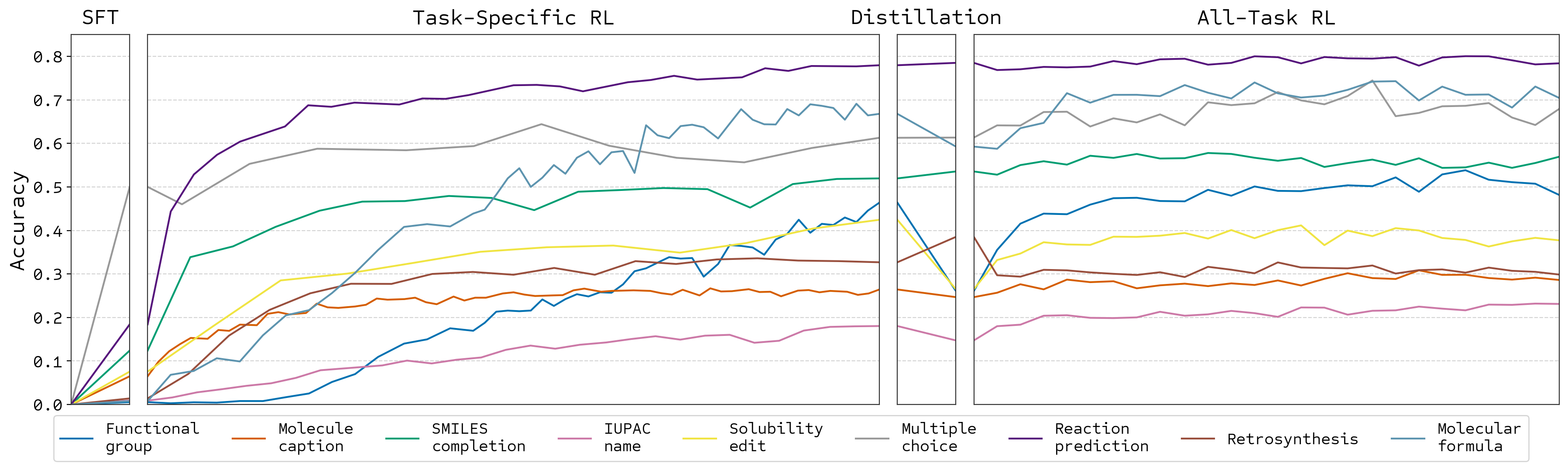
Training Stages
Results vs humans and frontier models
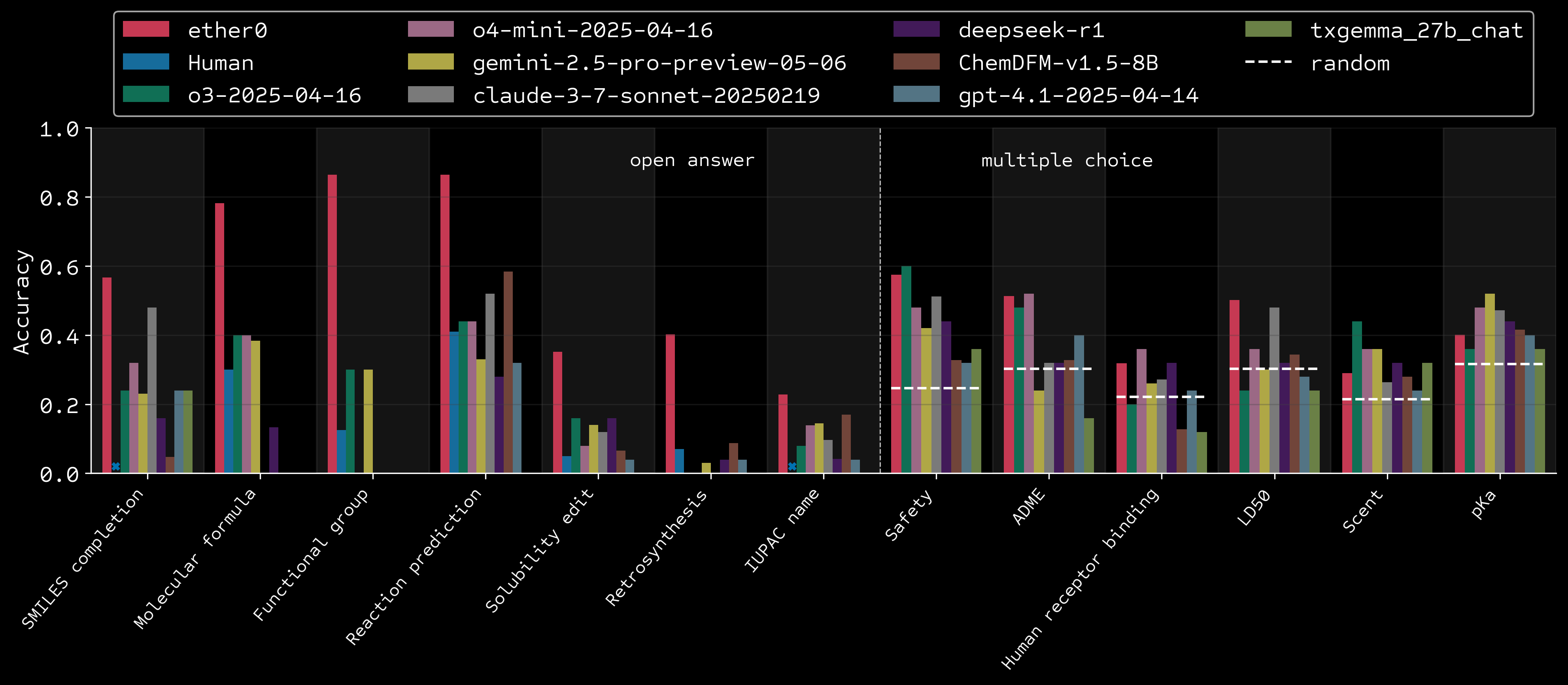
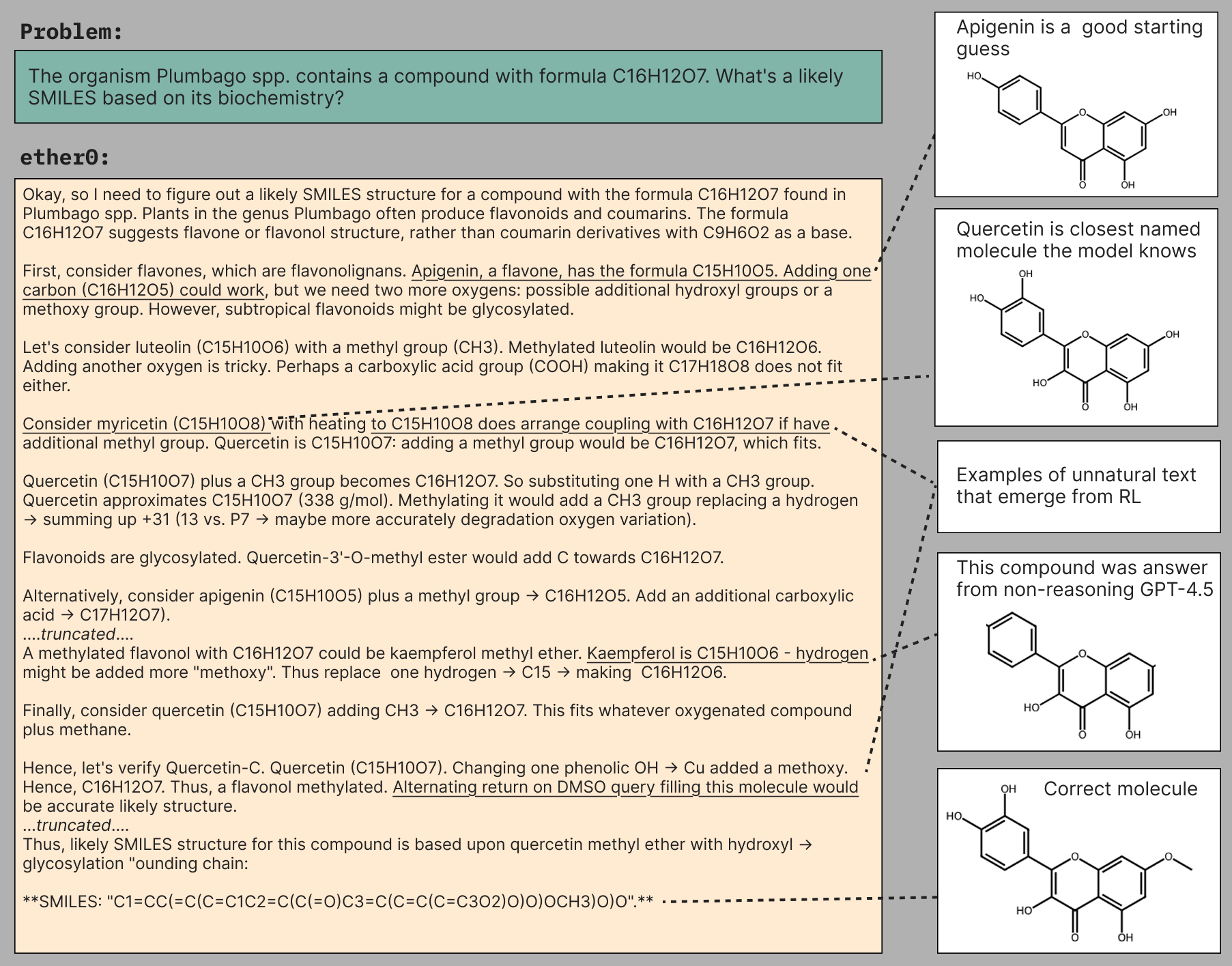
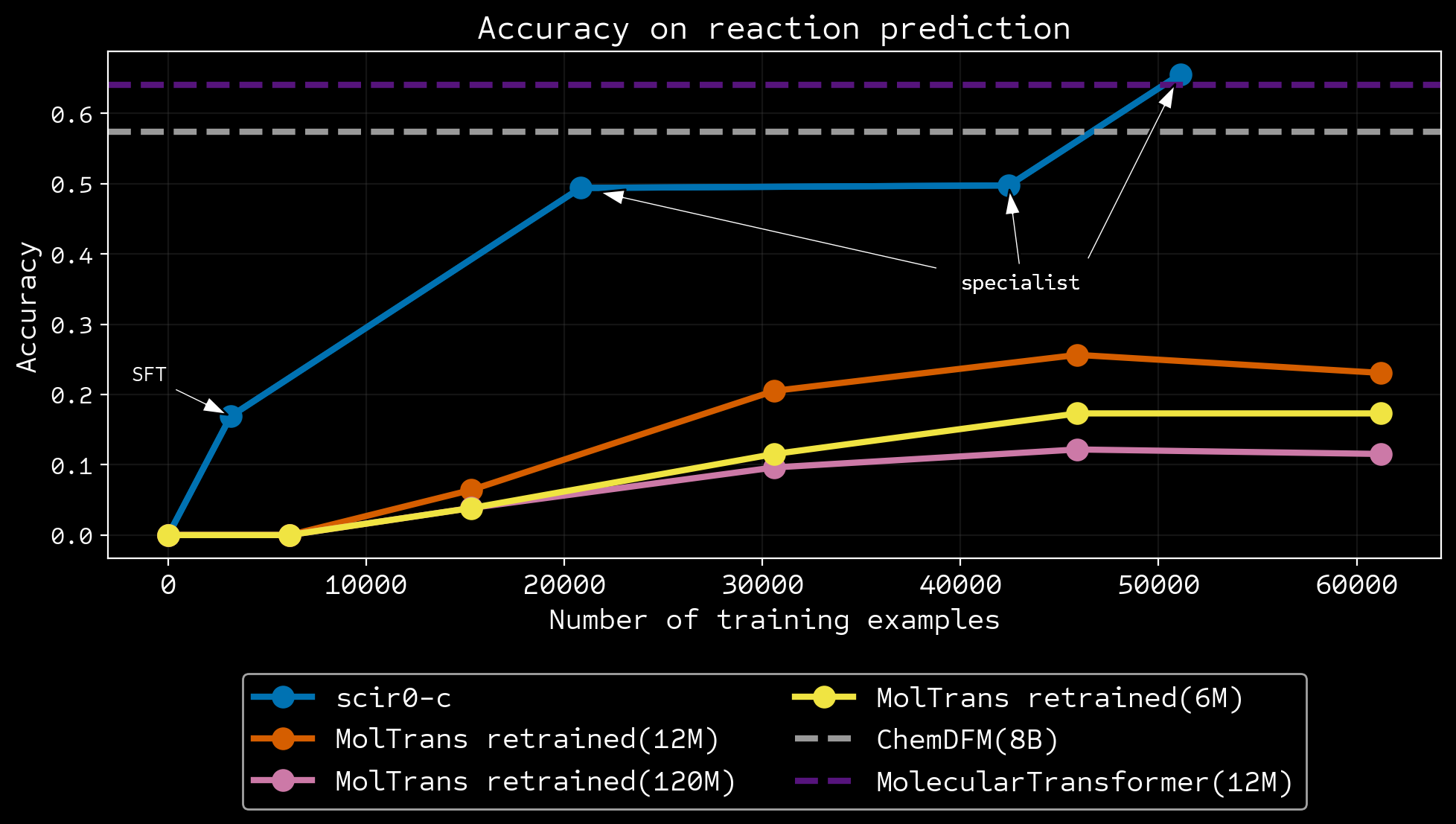
More data efficient
State of Agents in 2026
Tool-State Paradox
$T_1=$ alphafold2
$T_2=$ $\beta$-sheet percentage
$T_2\rightarrow$ error, no pdb
$T_1,T_2\rightarrow$ success
$T_1,T_1,T_2\rightarrow$ need to treat multiple structures
Engineers must consider $O(2^{N})$ interactions between tools: will not scale past ~10 tools
Code-writing agents
LLMs manage state, you must only write good code
Challenges:
- Must create persistent sandboxed computers for agents
- Must solve security and authentication for agents
Kosmos Agent
A persistent always-on colleague that has access to 80% of public data, our chemistry and literature agents, and world models of biology